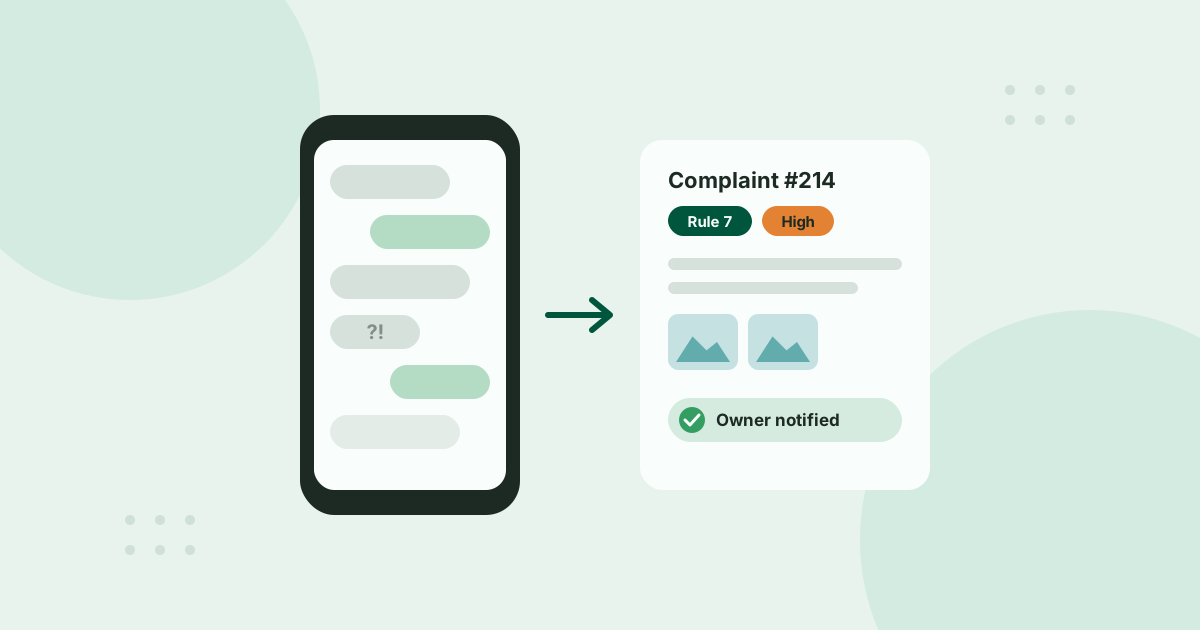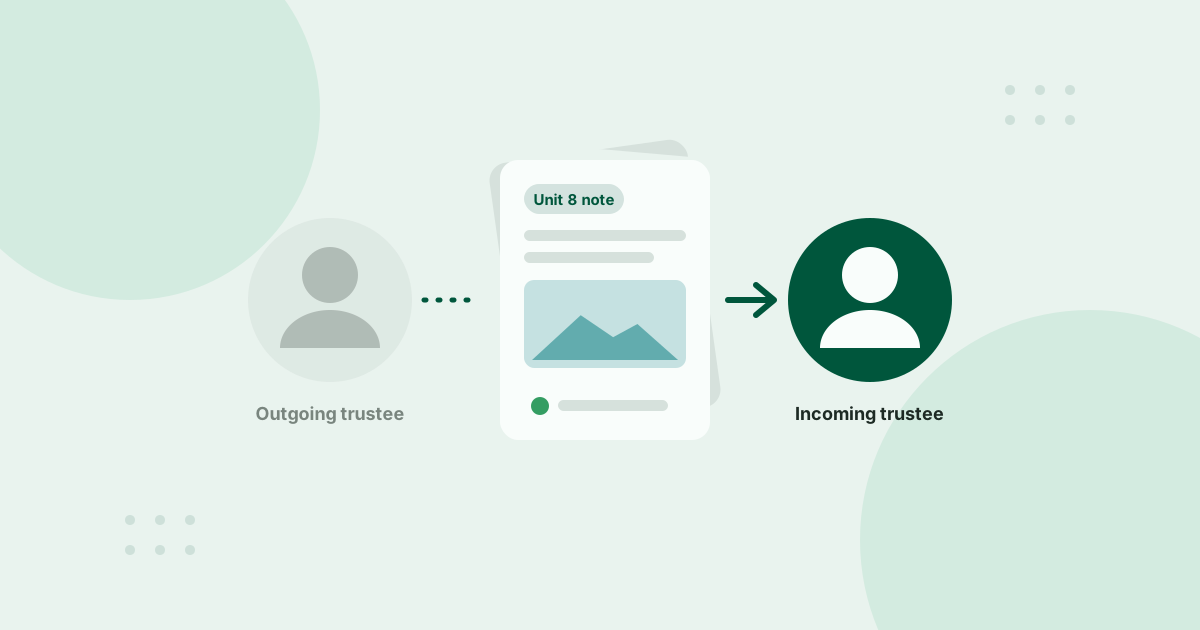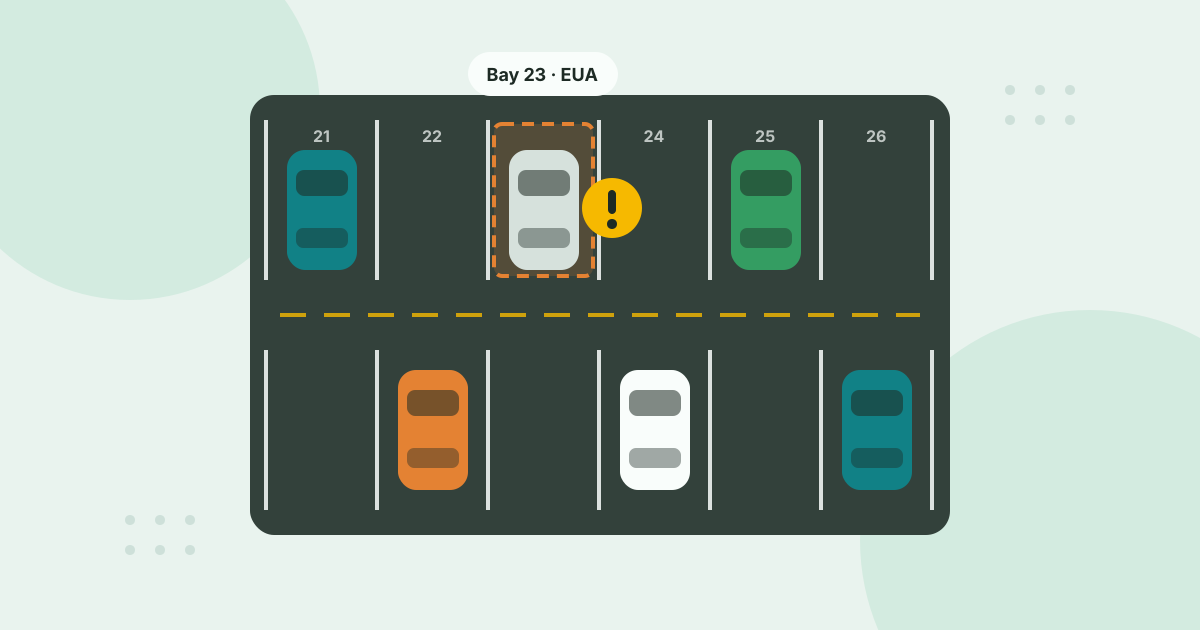
It’s 18:30, and an owner is standing next to a silver hatchback parked in the bay they’ve used for six years. They message the trustees’ group: someone is in my bay. The owner of the hatchback replies that visitors’ parking was full and anyway, that bay isn’t really yours.
Here’s the awkward part: they might be right. In a lot of schemes, nobody can say for certain within the next ten minutes.
Three kinds of “my bay”
A resident who says a bay is theirs can mean one of three quite different things, and each one gives the trustees different powers.
1. A registered exclusive use area
The bay is shown on the sectional plan, and the right to use it is registered in the deeds office in the owner’s name. That’s a real right. It’s held separately from the unit, and it can generally only be ceded to another owner in the same scheme.
A registered exclusive use area can’t be taken away by the trustees, and it isn’t affected by changing the scheme’s rules.
2. An exclusive use area granted by the rules
The scheme’s rules give a particular unit the exclusive use of a bay, usually with a layout plan attached to the rules that shows which bay is which. It’s still a proper right, but it comes from the rules rather than a registered title.
Changing it means amending the rules through the formal process. Trustees can’t do it by passing a resolution at their next meeting.
3. An informal allocation
The trustees, or a developer years ago, assigned bays on common property so that everyone had somewhere to park. No registration, no rule, and often not even a written minute.
That’s an administrative arrangement, not a property right. It can generally be changed by the body corporate. Six years of habit doesn’t turn it into something more, however strongly the resident feels about it.
Why it matters on the night
Which category the bay falls into determines what you can do.
- If the hatchback is in a registered or rules-based exclusive use area, the driver is using a part of the common property that someone else holds exclusive rights to. That’s a clear breach.
- If it’s an informally allocated bay, the driver is still very likely breaching your conduct rules. The prescribed conduct rules require the trustees’ consent before a vehicle is parked on the common property. The complaint is the same, but the basis for it is different, and so is the argument you’ll hear back.
- Many schemes’ rules also let the trustees have an unauthorised vehicle removed at the owner’s cost. Check what your rules actually say before anyone calls a tow truck.
The records that settle it
Almost every parking dispute is settled by three facts, and schemes rarely have all three to hand:
- Which bay belongs to which unit, and on what basis. Registered, rules-based or allocated.
- Which vehicles belong to which unit. Registration numbers, recorded when people move in, not reconstructed from gate footage afterwards.
- The history. Whether this is the first time this car has been parked in the wrong bay or the fifth.
With those three facts, a trustee can answer the message in the group before anyone walks downstairs: that’s bay 23, it’s unit 6’s exclusive use area under the rules, and the hatchback is registered to unit 31. Without them, it becomes a neighbour-against-neighbour argument that ends up on the AGM agenda.
Where to start
- Get the sectional plan and note every exclusive use area it shows. Your managing agent or conveyancer can help you get it if the scheme doesn’t have a copy.
- Read the rules for any exclusive use area schedule or layout plan. Check that each bay it names still matches the painted numbers on the ground. Bays get renumbered more often than you’d think.
- Write down every informal allocation and minute it as a trustee decision, so it’s clear what it is and what it isn’t.
- Record vehicles against units as part of move-in, together with gate remotes and access tags.
Most parking disputes are really disputes about records. Once the records are right, most of the disputes go away.
This is general information about how sectional title schemes commonly work, not legal advice. For a dispute about a specific right, speak to your managing agent, a sectional title attorney or the Community Schemes Ombud Service.